Anxiety in pets is more common — and better understood — than most owners realize. Here's what the research says, with links to the original studies.
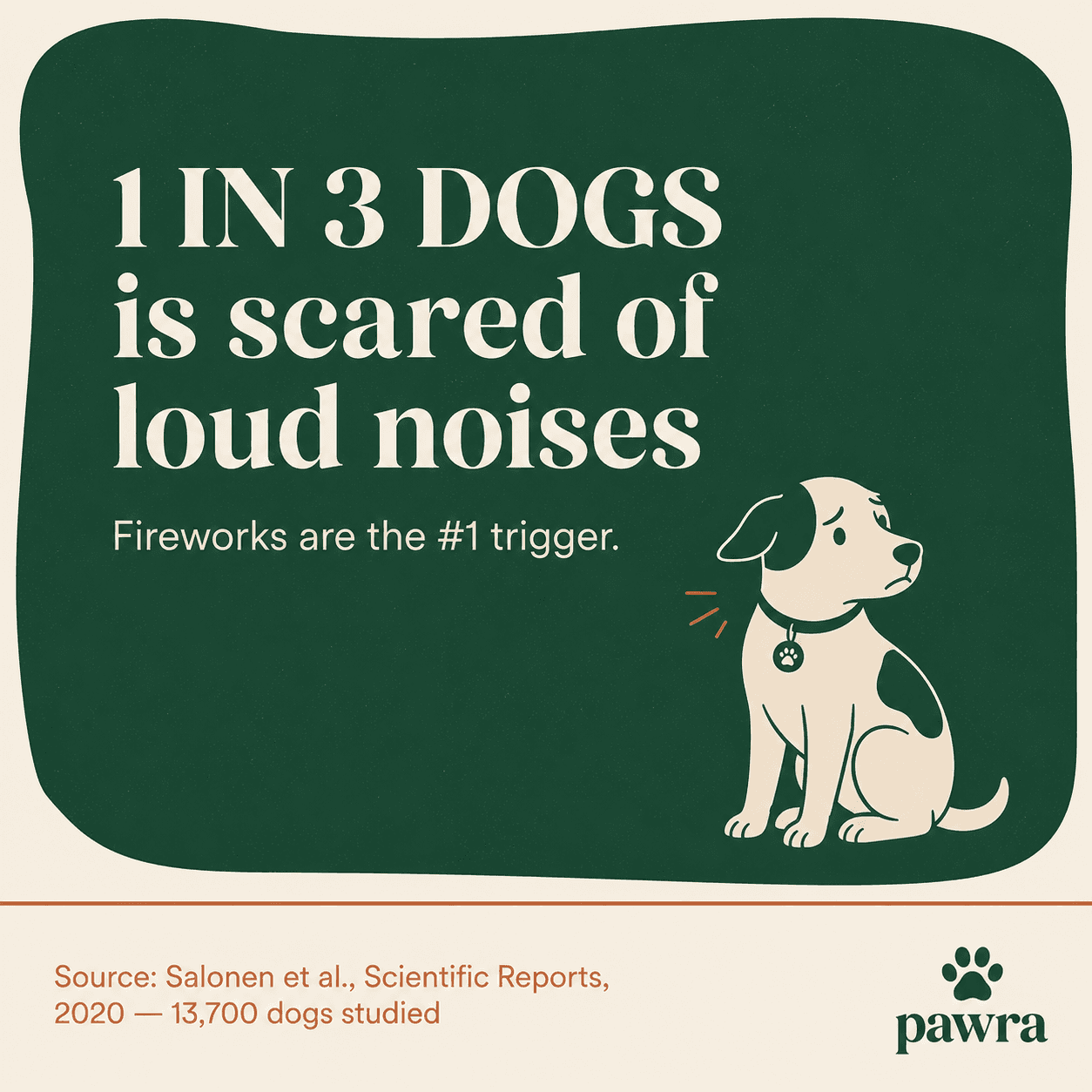
A Finnish study of over 13,700 dogs found noise sensitivity is one of the most common canine anxieties, with fireworks the single biggest trigger. Fear like this isn’t "bad behavior" — it’s a real physiological stress response, which is exactly what calming aids are designed to ease.
Want to read more? Go ahead —
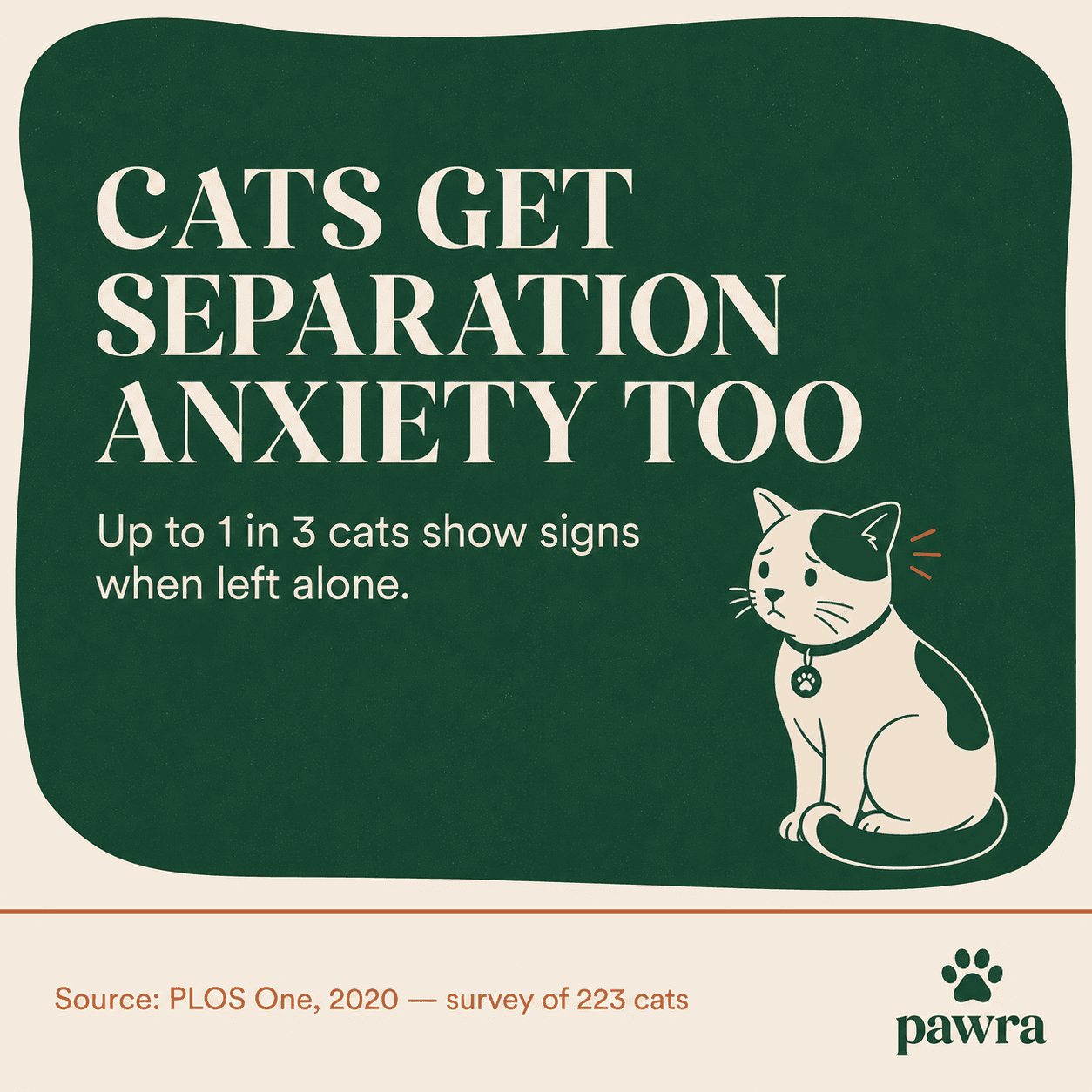
Cats have a reputation for independence, but a PLOS One survey of owner-reported behavior found up to 1 in 3 cats show clear separation-related signs — excess vocalizing, destructive scratching, or house-soiling — when left alone. It’s a quieter anxiety than a dog’s, and easy to miss.
Want to read more? Go ahead —
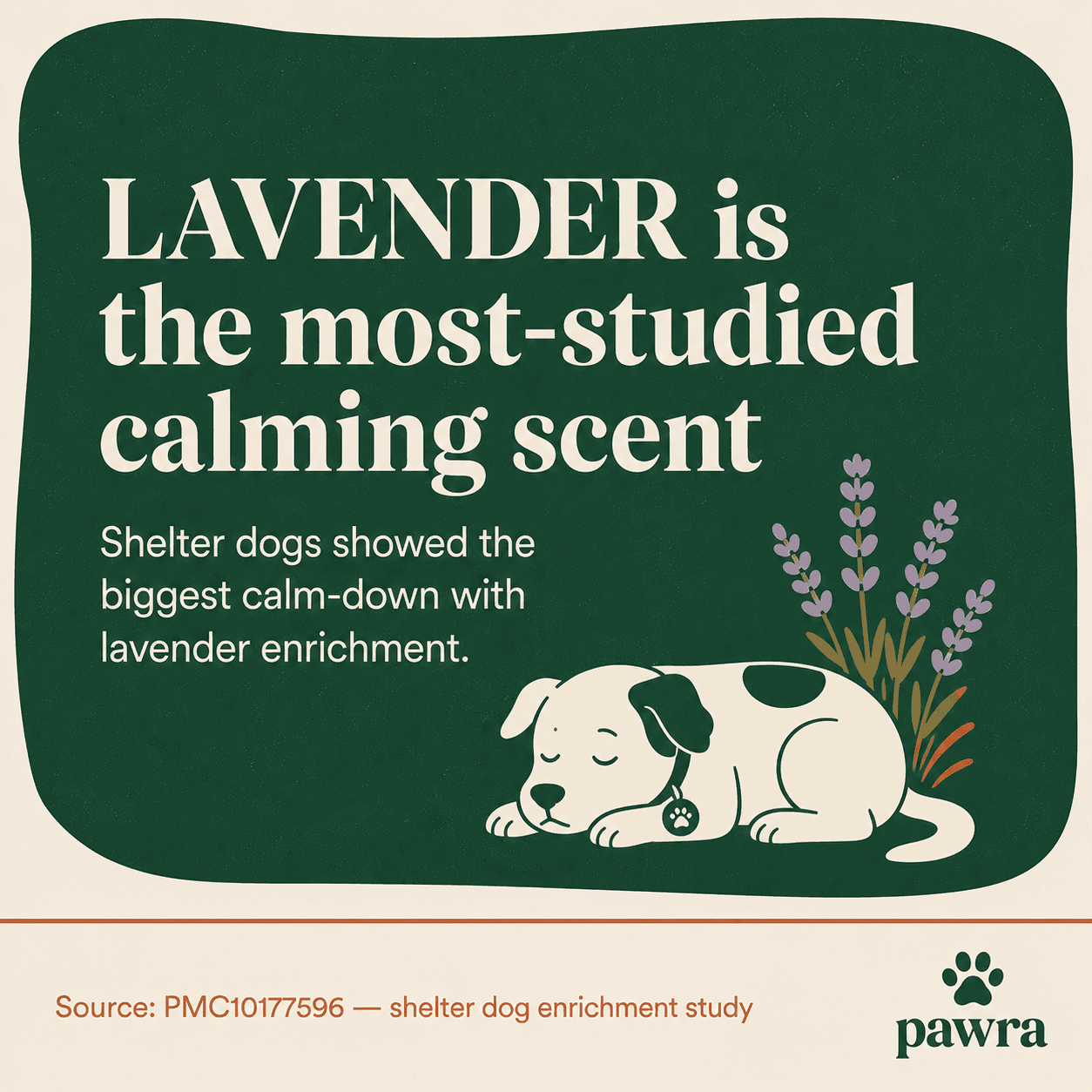
Lavender has more clinical backing than any other calming scent, in both humans and animals. Shelter dogs exposed to lavender showed less pacing and vocalizing and more resting compared to unscented controls — the same linalool compound thought to gently modulate GABA receptors without sedating.
Want to read more? Go ahead —
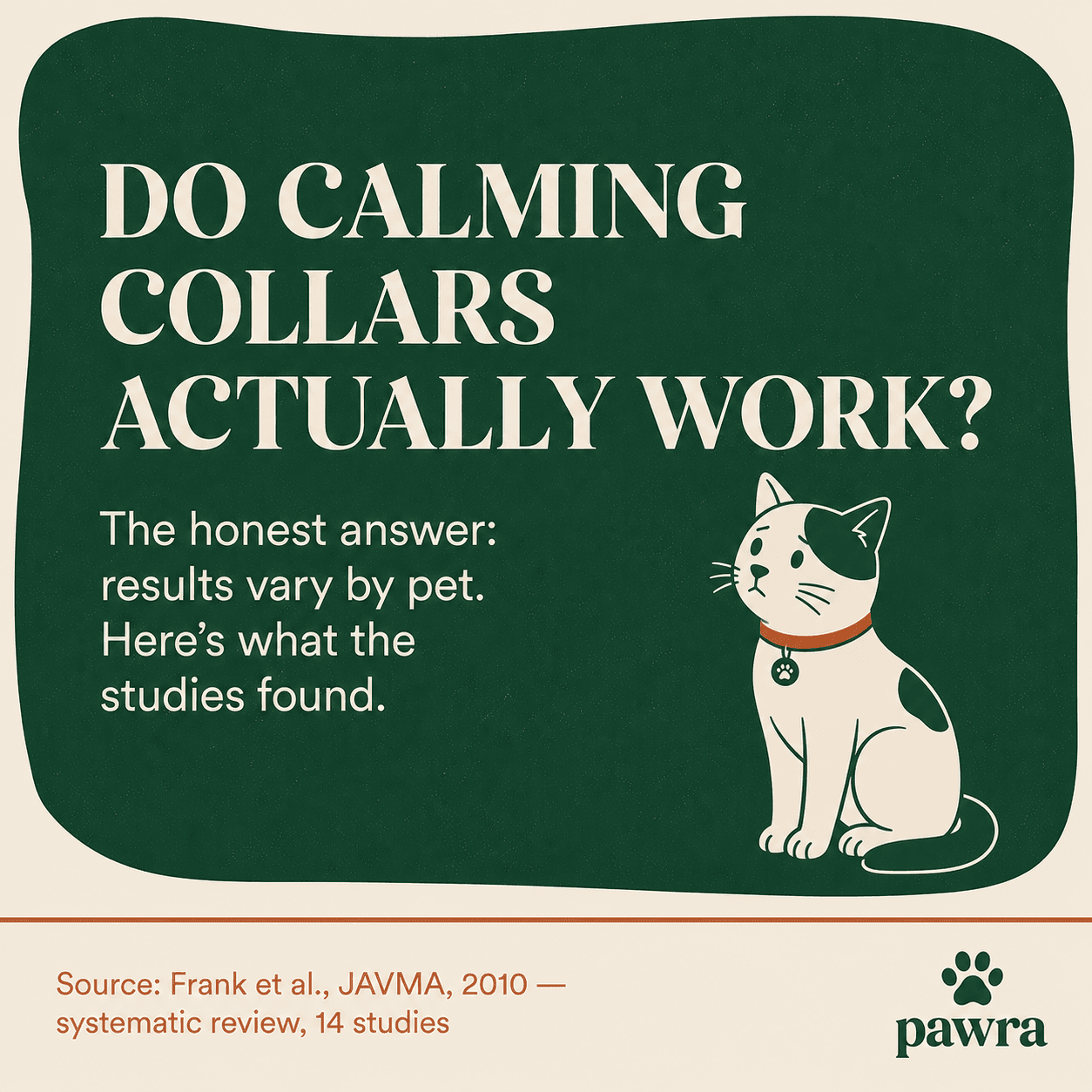
A JAVMA systematic review of pheromone-based products found consistent, if modest, reductions in fear and stress-related behaviors across multiple trials — not a cure-all, but a real, measurable effect. Feline facial-pheromone analogues in particular have been shown to calm cats during stressful handling.
Want to read more? Go ahead —
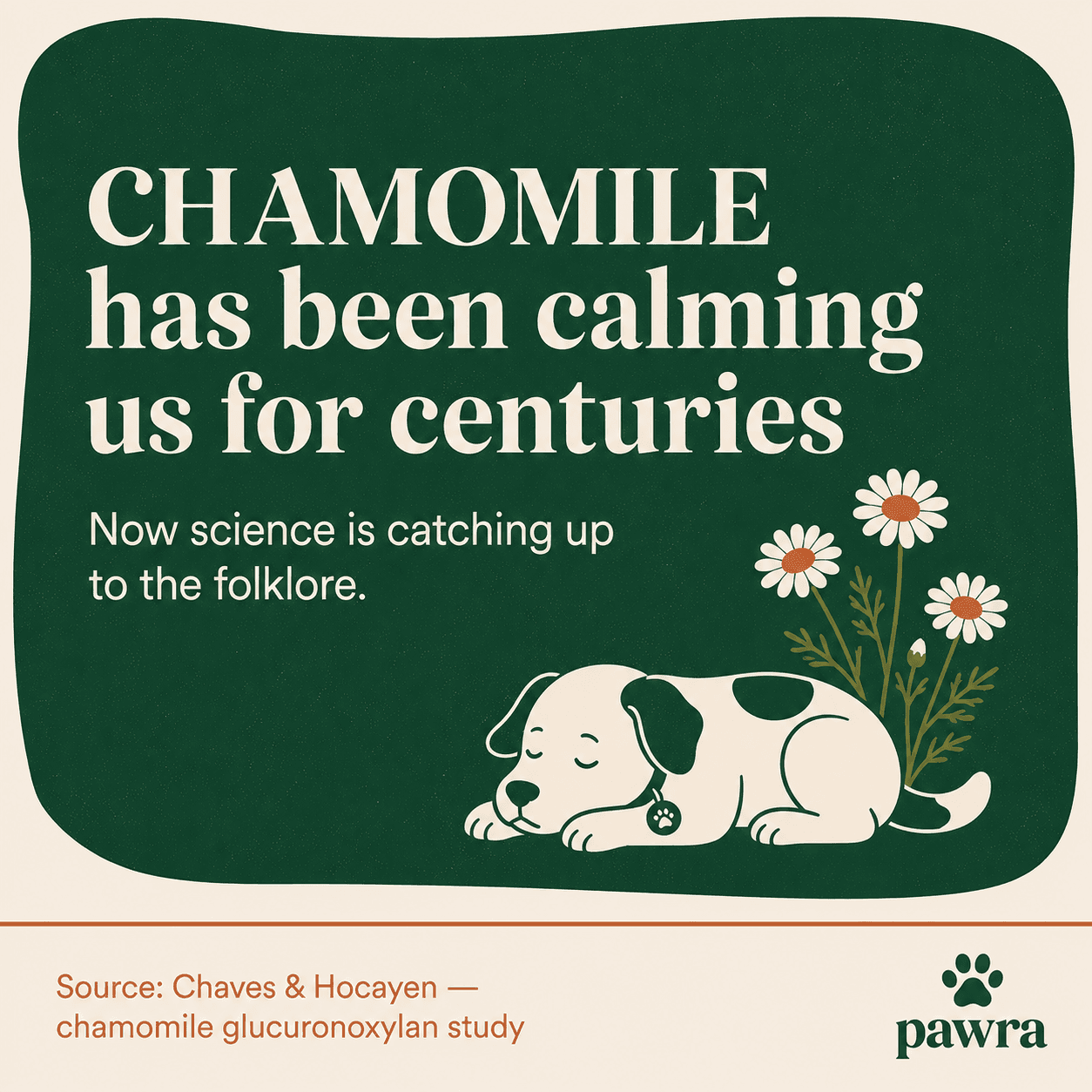
Chamomile’s calming reputation goes back millennia, and modern chemistry backs it up — researchers have isolated a glucuronoxylan compound in chamomile tea shown to have mild sedative-like effects. Paired with lavender, it’s one of the gentlest, best-documented botanical calming agents around.
Want to read more? Go ahead —
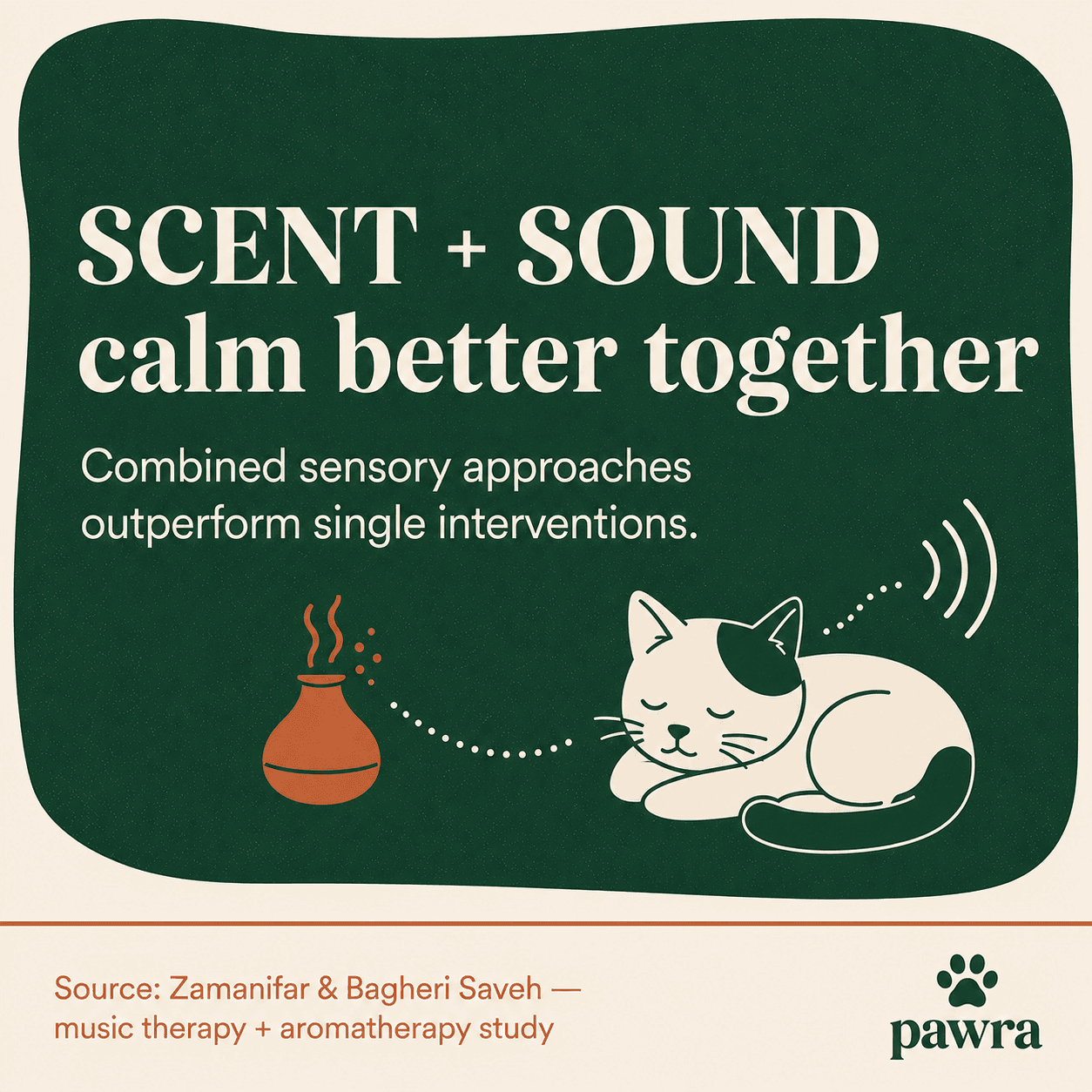
A randomized trial combining music therapy with aromatherapy found the pairing outperformed either intervention alone at reducing anxiety. The takeaway for pets is the same: layering a calming scent with a calm environment — quiet, familiar sound, less chaos — compounds the effect rather than just adding to it.
Want to read more? Go ahead —